Showing posts with label artist. Show all posts

Wednesday, 26 October 2011

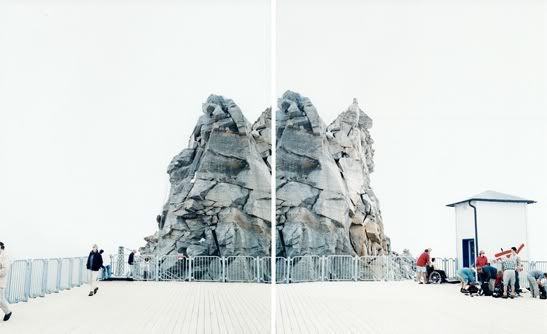
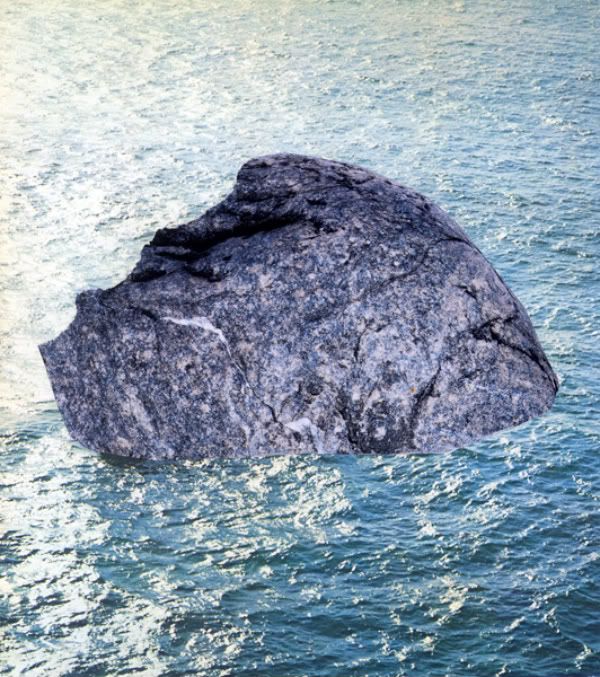
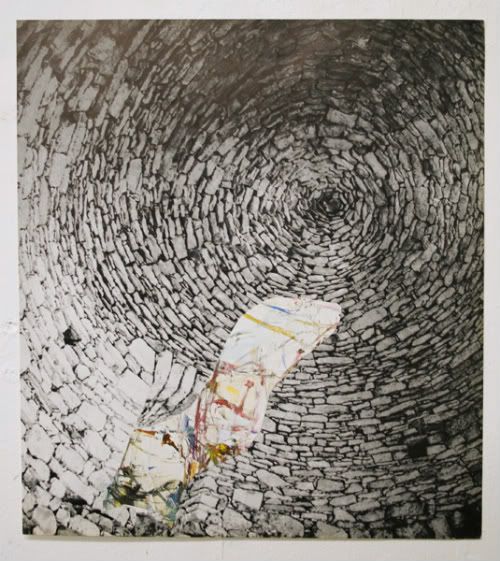
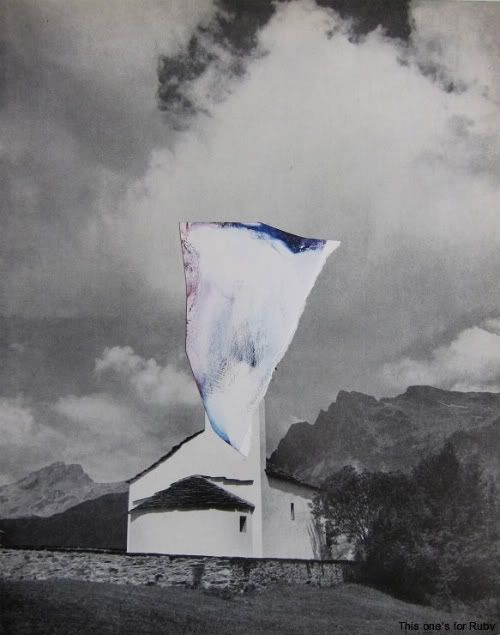
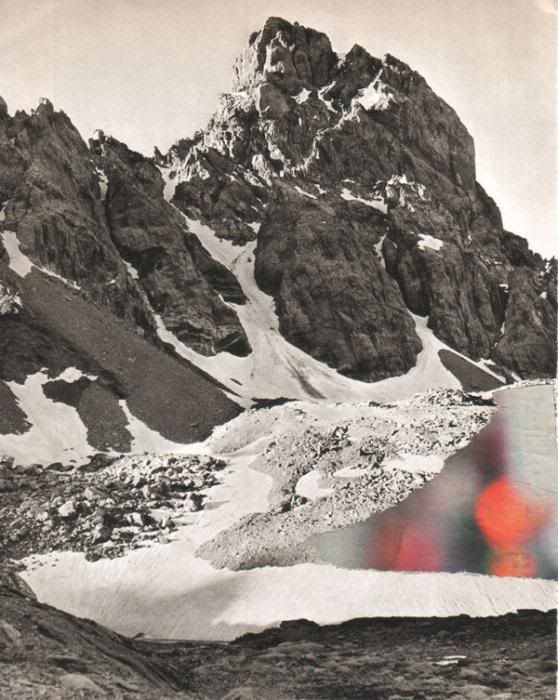
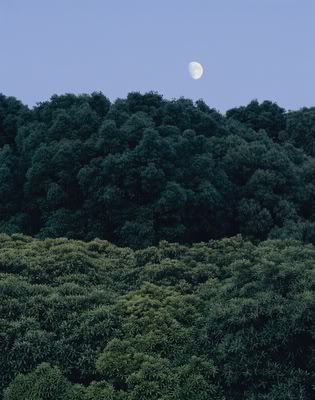
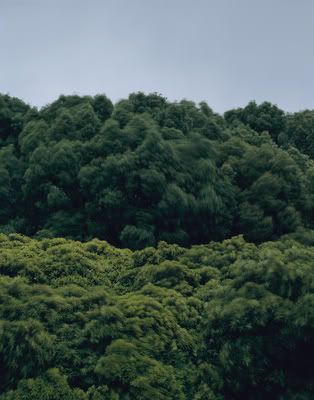
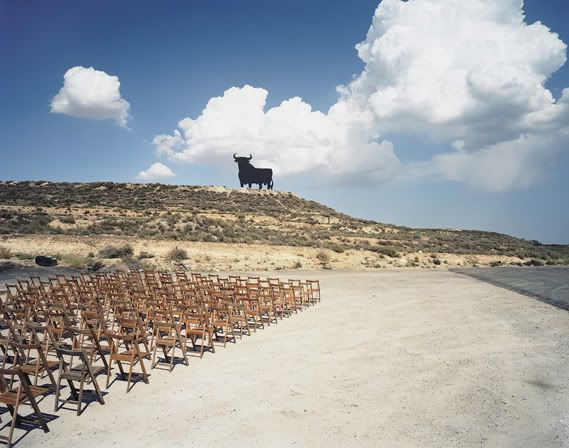
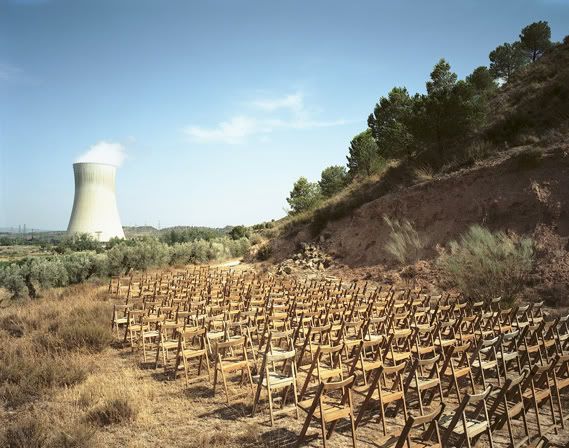
Walter Niedermayr


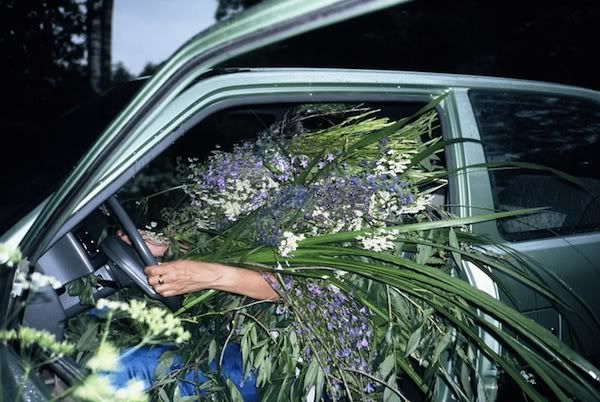
Themes of commodification and invasion of nature by man.

"He raises questions about our desire, when we are on holiday, to feel like we are in the ungovernable forces of nature, but always safe in the knowledge that our creature comforts are within reach." Charlotte Cotton, from The Photograph as Contemporary Art.

Tuesday, 25 October 2011

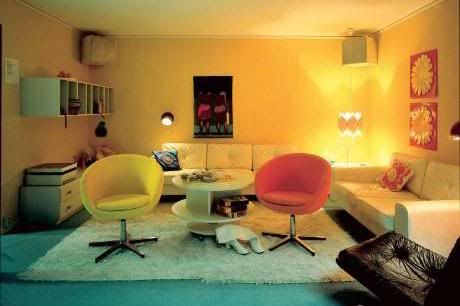
Miriam Backstrom


Miriam Backstrom, Museums, Collections and Reconstructions, IKEA Corporate Museum, 'IKEA throughout the Ages'. Almhult, Sweden, 1999, 1999.

'A space that we may ordinarily consider to be defined by an individual's tastes and activities is shown as being prescribed. Our display of personal identity in our homes is not only commercially reproducible but also easily mimicked.' - Charlotte Cotton.

This comment is easily comparable to Sanja Ivekovic's Double Life series. The realisation that you taste and day to day decisions (here personal interior environments, in Sanja's case mannerisms and behaviour) are so easily predictable and are a product of society rather than your own individuality.

Tuesday, 6 September 2011

Petra Cortright


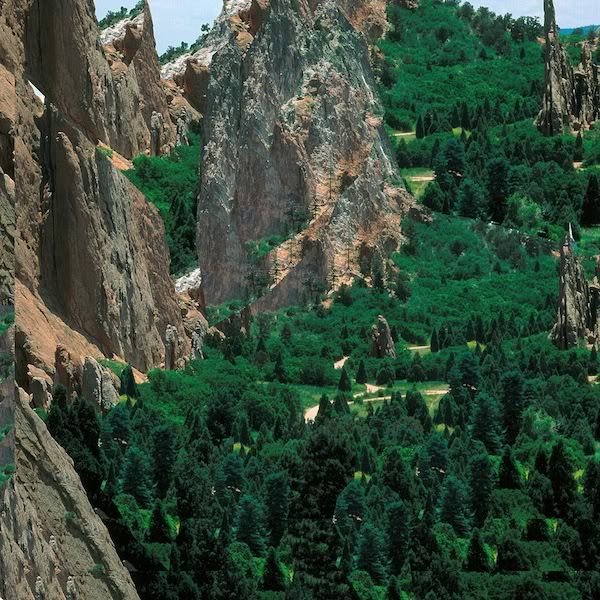
Landscape 5-15-05

Petra Cortright is a cool internet artist. The best thing about her is how she responds to bad comments on her youtube videos:

  • what was the point of these video seriously? lol

  • syuck my dick sk8r fag

Sunday, 4 September 2011

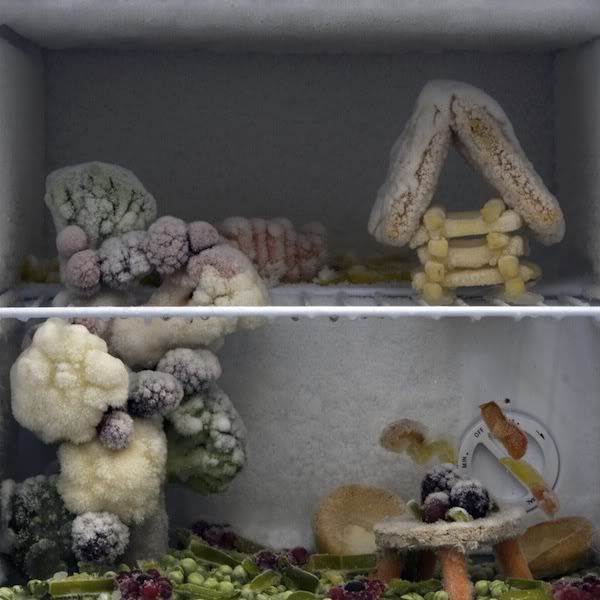
Haruka Ono


British frozen food in a tabletop freezer, 2010. frozen food, water, thread, arranged in a freezer, 49 x 47 x 45cm

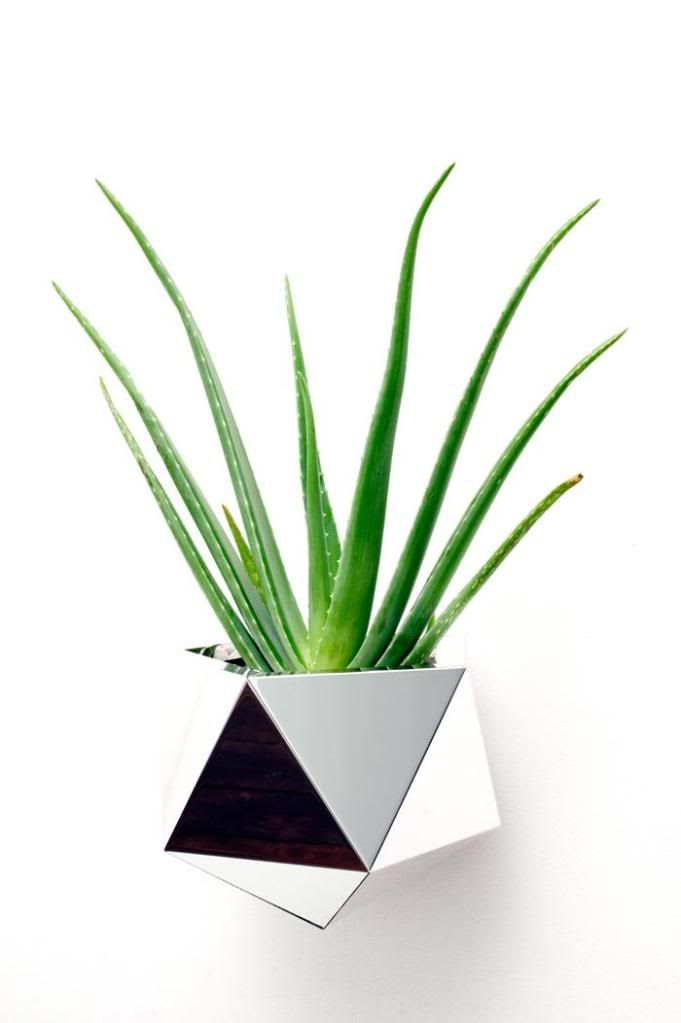
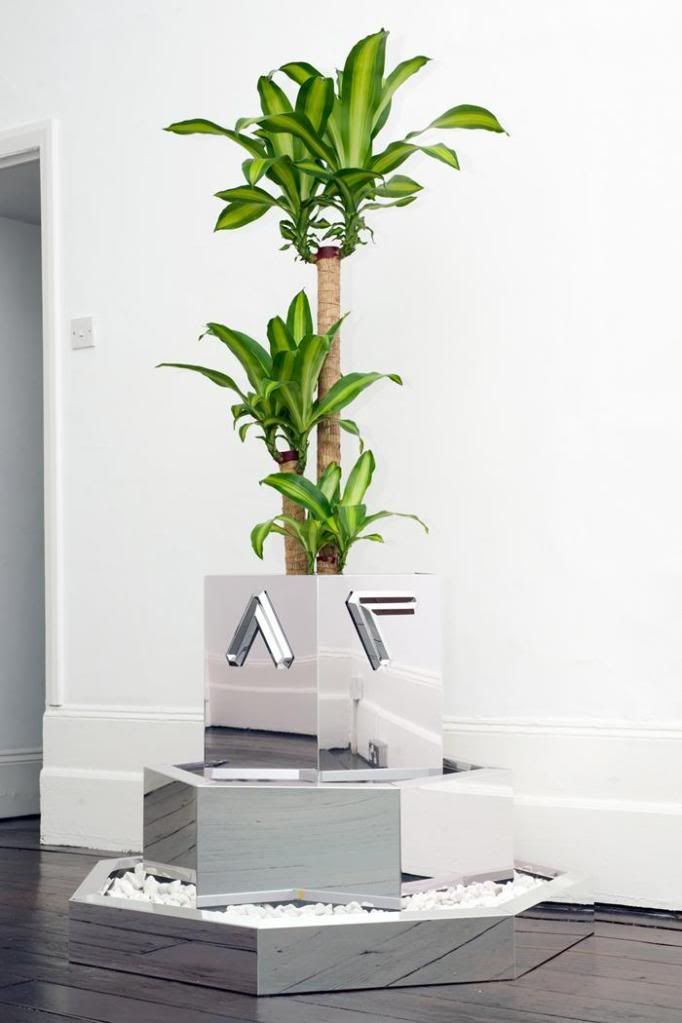
Sam Griffin

Make No Little Plans', 2010
27(w)x 60(h)x 30(d)cm
Aluminium composite, pebbles, aloe vera plant
Unique

Delta City', 2010
70(w) x 102(h) x 70(d) cm
Aluminium composite, pebbles, plant
Unique

Melanie Bonajo


from Modern Life of The Soul, 2007.
Extracts from Press release from Galerie Fons Welters

Melanie Bonajo & Kinga Kielczynska

In the forests of Eastern Poland, a sacred cult has formed that has withdrawn from the outside world and worships nature. Living in houses made of growing plants, its members have turned their backs on the modern world. These eco-extremists believe that the origins of humankind lie in plant life, and seek to reverse evolution by living like plants. Far from the hectic life of modern society, they celebrate the existence of the forest in a spiritual way, with special altars and mystical ceremonies.


In modern society, nature has become a subordinate product amid a wealth of other products, and people have become alienated not only from their natural surroundings but also from their own nature. In an attempt to reverse this process, Melanie Bonajo and Kinga Kielczynska explore the extent to which it is possible for us to re-insert ourselves into the holistic system. In the radical reversals of the Polish cult, a near-religious refuge has been created that denies progress. The artists adopt a documentary-like presentation, showing us a glimpse of this outlandish community, absorbed in a quest for something that may in fact never have existed. The cult members have relinquished control over their lives, hoping that a lost intuition will take over.

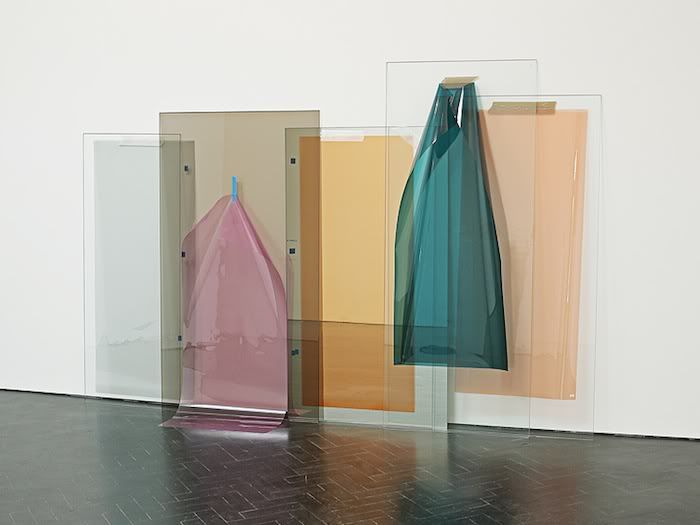
Steve Bishop


1. My Work Here is Done IX (2009)
Glass, lighting gels, various tapes. 248 x 159 x 40 cm | Photograph: Stefano Galli

2. 16:9 II (2011)
LCD screen, Astonish 'Jasmine & Wild Berries', glass, wood. 130 x 45 x 24 cm

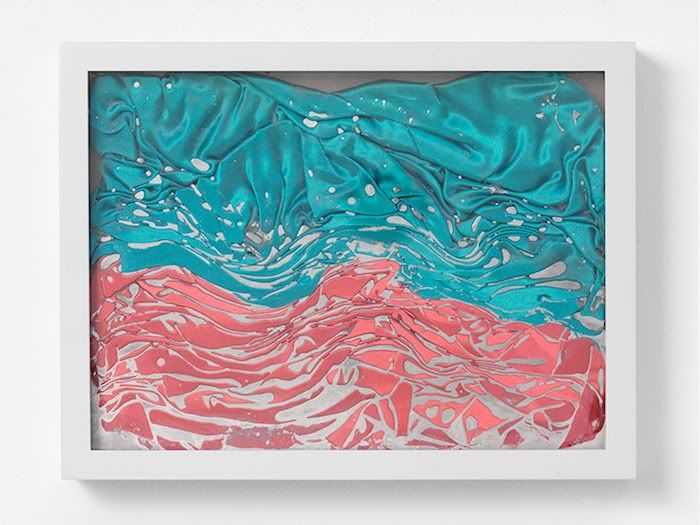
3. As If You Could Only Kill Time Without Injuring Eternity II (2011)
Mercury and cloth in frame. 30 x 23 cm

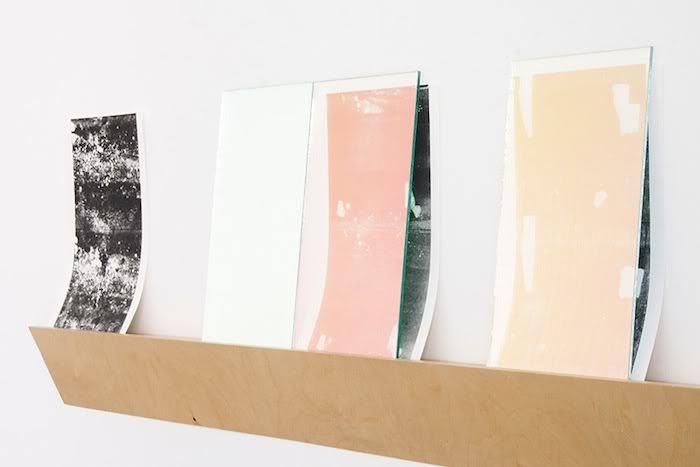
4. Still Stills - with Jack Vickridge (2011)
Dichroic glass, monoprints, shelf. 210 x 40 x 10 cm

www.stevebidhop.org

Saturday, 3 September 2011

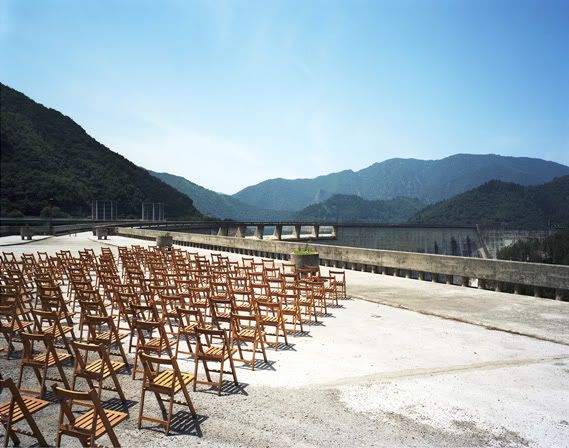
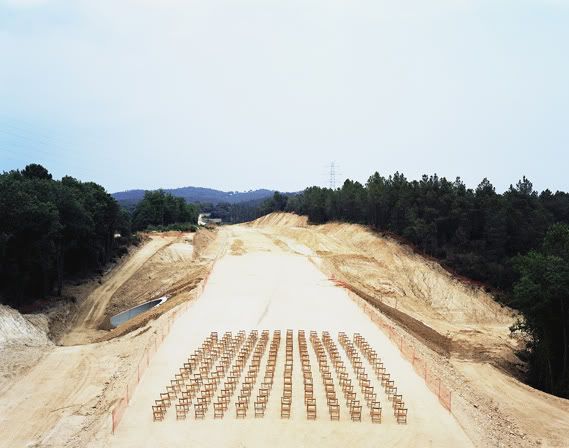
Aleix Plademunt - Espectadors


Espectadors, 2006.

Vanessa Billy


Conflict, 2009, collage. Fulcrum, 2009, collage. Reattachment, 2009, collage. Untitled, 2006, collage.

Jack Strange

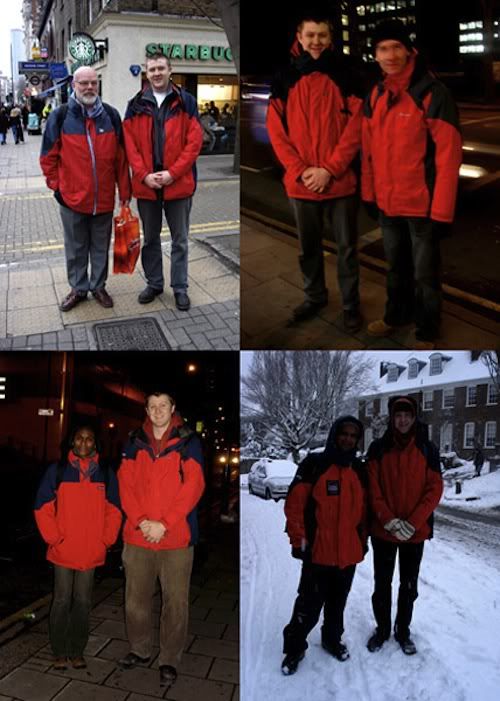
‘Stunt Doubles’, 2007-ongoing, Digital Images Transferred onto Slides
Ongoing project where artist takes a photo of himself with any other stranger that he encounters who is wearing the same coat.


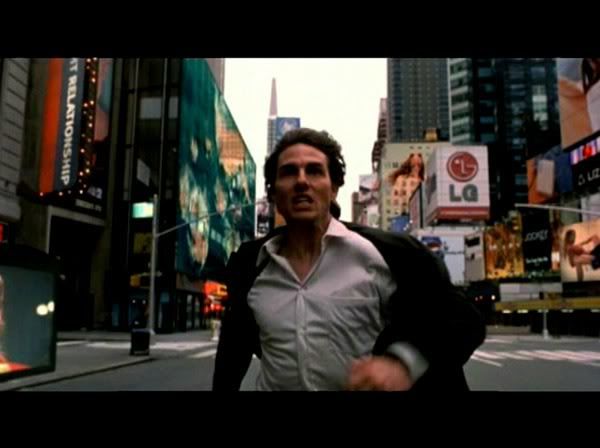
‘Tom’, 2007, DVD, 22 min

Montage of clips from movies of Tom Cruise running.
Jack Strange on Hollywood: Hollywood affects our sense of reality so strongly. It's like a mirror feeding back to us a reflection of ourselves. But it's a very superficial reflection. It's like a closed feedback loop constantly reaffirming and conditioning us with what we believe to be the ideas we want. There is no space to question, think or feel things. Generally, it's just like advertising.


Saturday, 23 July 2011

Sanja Ivekovic


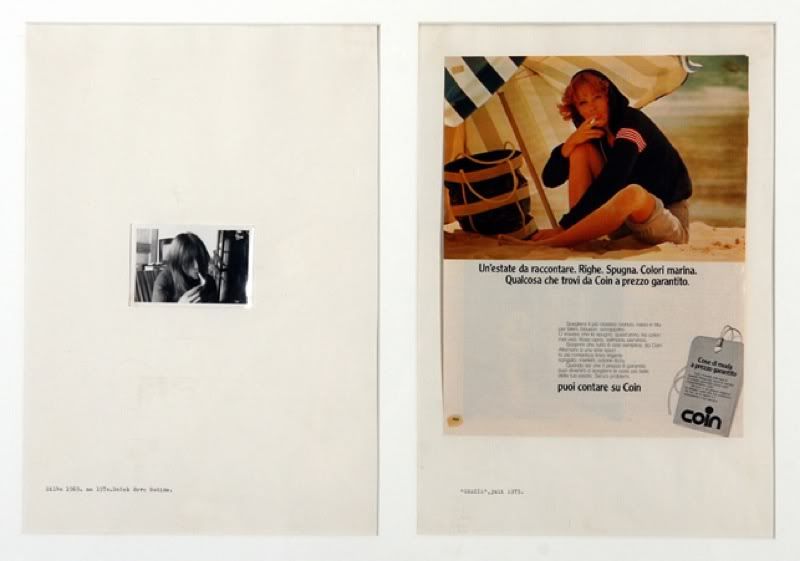
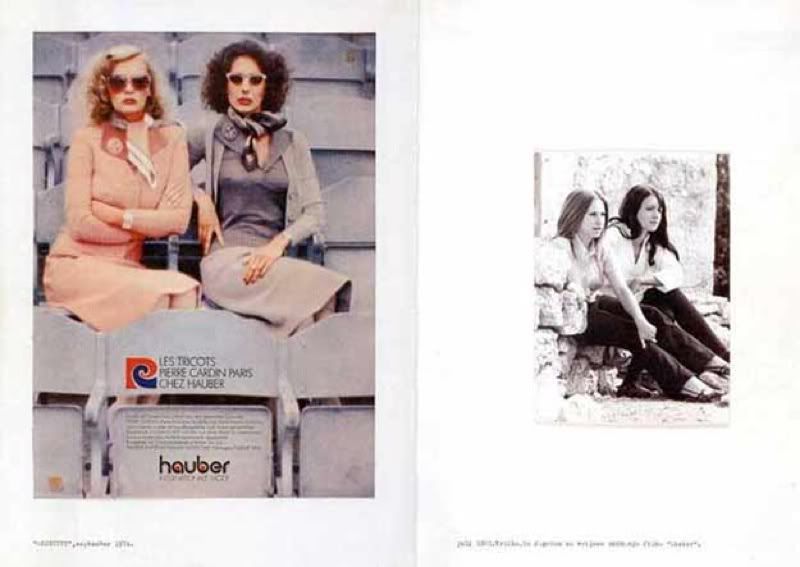
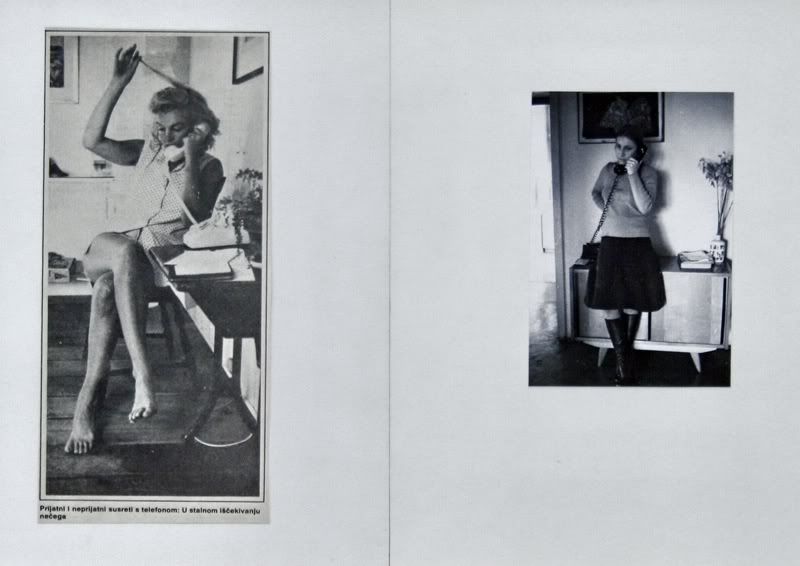
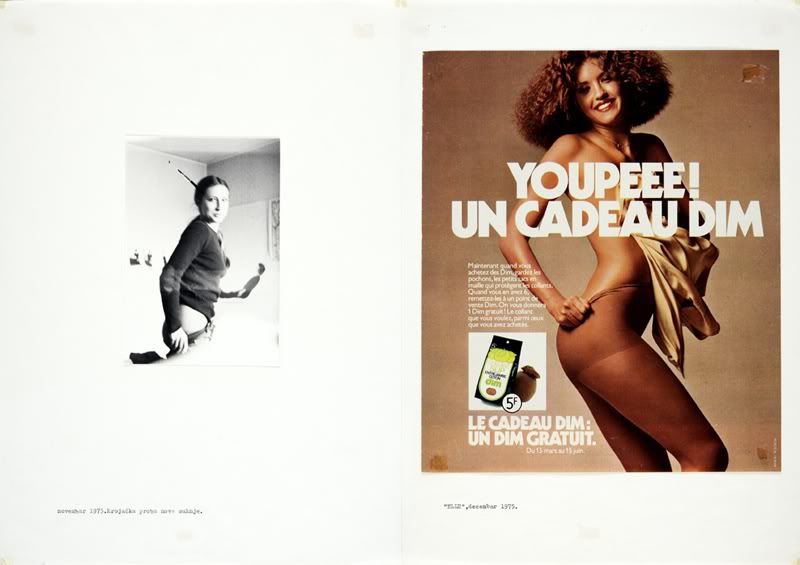
Double-Life, 1975-6

Extracts from Lotty Sanna's 2011 Dissertation-
Pretty Vacant: Narcissism and Feminist Activism in Sanja Iveković's work of the 1970s

Sanja Iveković (Zagreb, 1949) is a female artist whose career began in former Yugoslavia in the 1970s and whose oeuvre of work consists of collage, photography, video, drawings, public action and installation. Iveković’s most powerful works address the issue of the representation of women in the ‘public’ sphere and the way that this affects a woman’s behaviour in her ‘private’ life.
In 1975-76, as a reaction to the imagery promoted by mass media that had begun to invade the whole visual world of Iveković’s society, she created three series, A Double Life, 1975, Tragedy of a Venus, 1975, and A Sweet Life, 1975-6.

In Double Life Iveković creates sixty four juxtaposed image comparisons using advertisements containing a picture of a woman next to photographs of herself, taken from her private collection (1953-75), in which her look and pose resemble that of the other woman.

For Sweet Life, an image from a celebrity scandal magazine is compared to a private photograph of Iveković.

In Tragedy of a Venus an image of Iveković is compared to an image of Marilyn Monroe taken from a magazine published after her death. Each series flows into the next, lending themselves to being viewed as a whole series.

Viewed together they provide a visualisation of the artist’s progressive realisation of her lack of originality and agency, as her life mimics so closely the images that surround her.

Wednesday, 20 July 2011

Taishi Hirokawa, Photographer

I first found Taishi Hirokawa's name when I was looking in Sophie Calle's Take Care of Yourself book for who had done the photography of the contributors. I think the portraits of the contributors are beautiful and was also was glad to see that she had given up authorship of these portraits to another photographer. Taishi Hirokawa was used by Calle to photograph the Bunkuru sequence. It makes me feel more confident when I give up authorship of the photography in my work.

I was interested to look at his own projects:

TIME AND TIDE
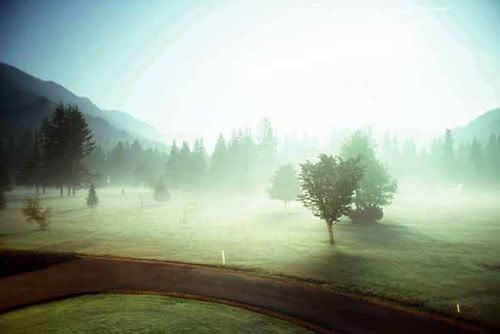


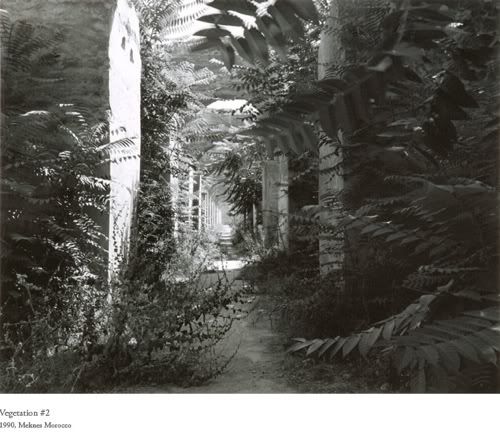
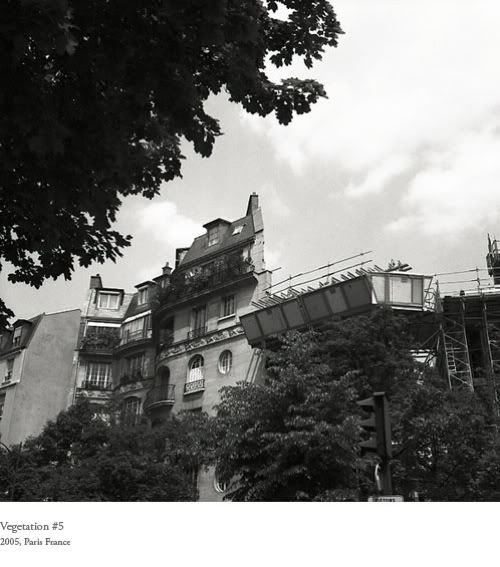
VEGITATION
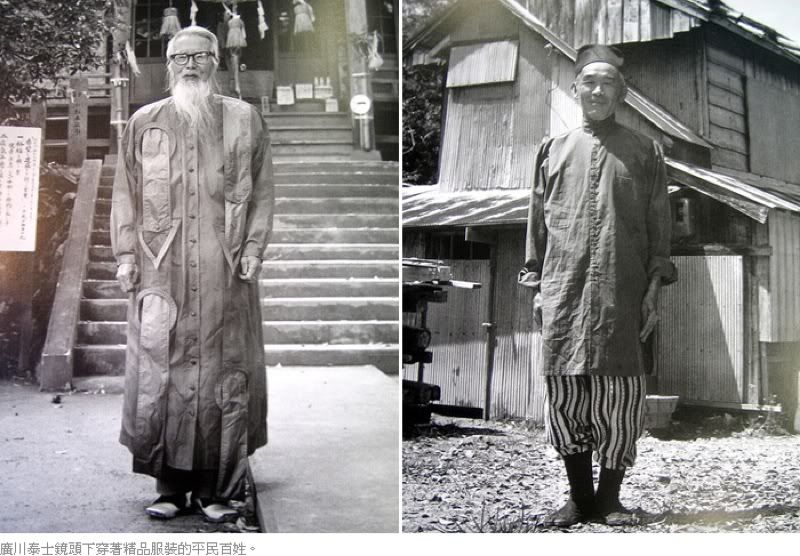
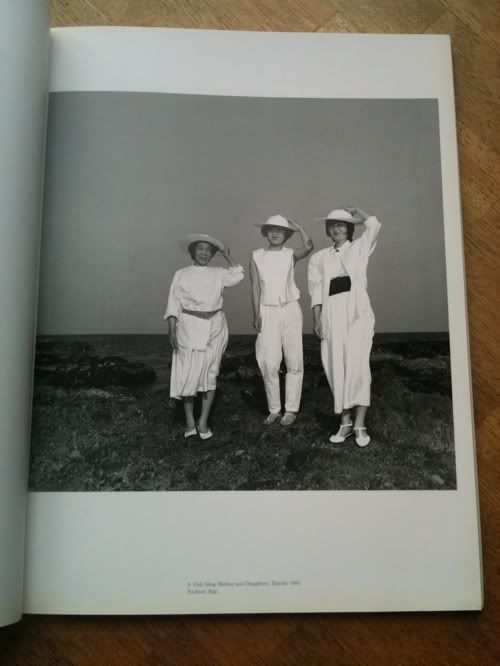
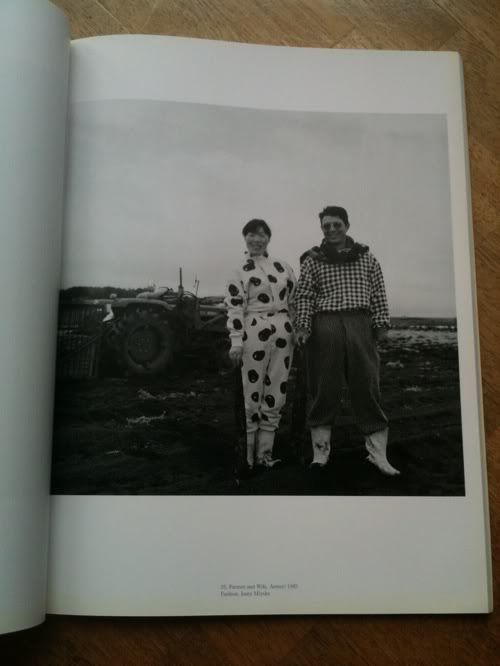
SONOMAMA SONOMAMA

High Fashion in the Japanese Countryside, 1987
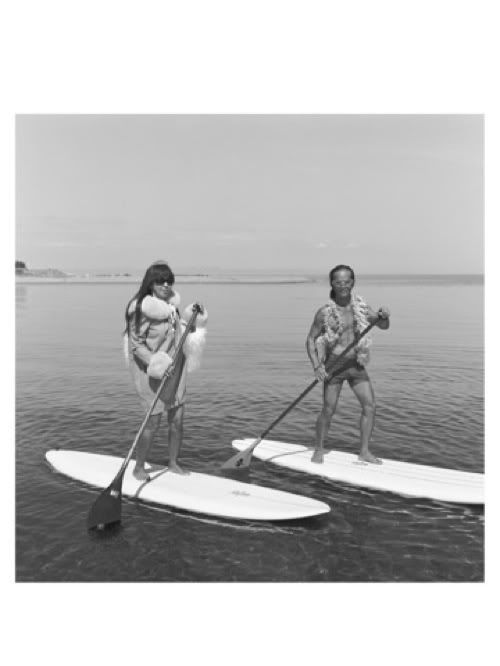
Taishi Hirokawa travels around rural Japan in a wagon loaded with designer outfits of namely, Issay Miyake, Comme de Garcon, Yohji Yamamoto and others. He meets people who live with nature, bearing sun and the earth, such as a farmer ploughing his feild, a fisherman, a man working in a gas station, a builder at work, a country watch-maker, a general grocer, an icecream man, and an amateur archeologist doing research on his own. He asks them to dress into the designer outfits on the spot and captures them on film